
Can a Pediatrician Treat Newborns?
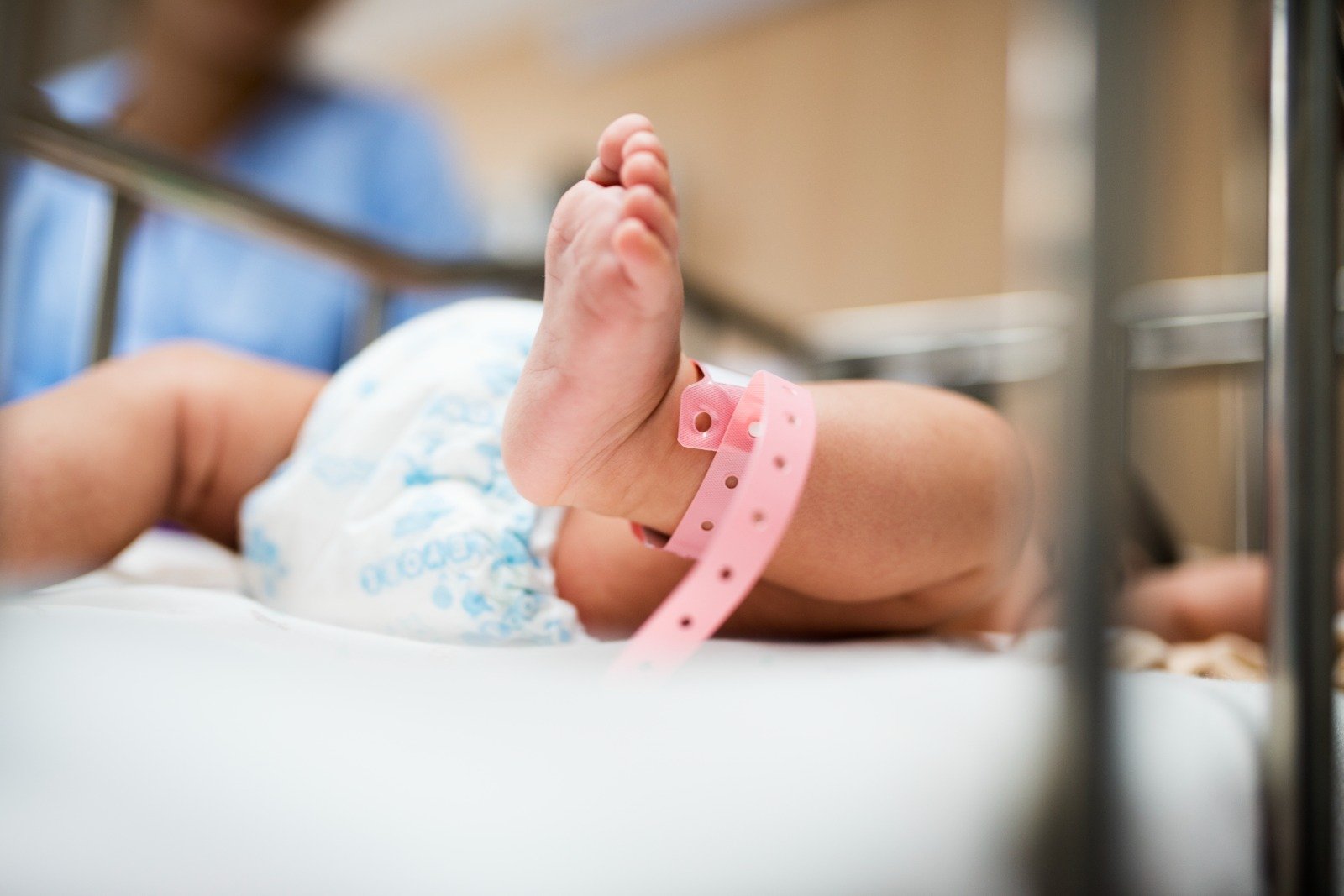
Welcoming a newborn into the world is a joyful, life-changing moment—but it also comes with endless questions, especially about your baby’s health.
A pediatrician is a doctor who specializes in the care of infants, children, and adolescents—from birth through the teenage years. In fact, pediatric care often begins within minutes or hours after a baby is born. Let’s explore how pediatricians play a vital role in caring for newborns and what you can expect during those precious first months.
What Is a Pediatrician’s Role in Newborn Care.
Pediatricians are trained to understand the unique needs of newborns, whose bodies and immune systems are still developing. They monitor and manage everything from vital signs to feeding challenges, sleep patterns, and early developmental milestones.
Here are some of the key ways pediatricians care for newborns:
1. First Check-Up After Birth
Shortly after your baby is born—whether in a hospital or birthing center—a pediatrician typically performs the first physical examination. They check:
- Heart rate and breathing
- Reflexes and muscle tone
- Skin color and birthmarks
- Weight, height, and head circumference
- Signs of congenital conditions
This early assessment helps detect any medical concerns and ensures your baby is stable and healthy.
2. Monitoring Feeding and Weight Gain
Newborns typically lose some weight after birth but should regain it within a couple of weeks. A pediatrician monitors:
- Weight gain progress
- Breastfeeding or formula feeding challenges
- Signs of dehydration or jaundice
- Nutritional needs based on baby’s growth
If needed, they may refer you to a lactation consultant or provide feeding support.
3. Managing Common Newborn Conditions
Newborns are prone to certain temporary conditions, such as:
- Jaundice
- Diaper rash
- Cradle cap
- Colic or excessive crying
- Mild reflux or spit-up
Pediatricians help diagnose and treat these issues while also reassuring parents when symptoms are part of normal development.
4. Vaccinations and Preventive Care
Although most newborn vaccines begin at 6–8 weeks, pediatricians educate parents early about the immunization schedule and administer the first dose of the Hepatitis B vaccine—often given before discharge from the hospital.
They also guide you on:
- Vitamin D supplementation
- Safe sleep practices
- Umbilical cord and circumcision care
5. Newborn Well-Baby Visits
In the first year, newborns have multiple scheduled visits to track growth and development. These include:
- 3 to 5 days after birth
- 2 weeks
- 1 month
- 2, 4, and 6 months
Each visit involves physical exams, developmental screenings, and time for parents to ask questions.
Final Thoughts
So yes, a pediatrician not only can treat newborns—they are the ideal doctor for it. From their very first breath to the first steps, pediatricians are trained to ensure your baby gets the safest, healthiest start in life.
Choosing the right pediatrician means gaining a trusted partner on your parenting journey—one who will guide you through every stage of your child’s early development with expertise and care.